DPF Cleaning: Key Facts
When a dashboard light warns that the diesel particulate filter is full, the next search is usually “DPF cleaning near me,” and the right choice keeps a truck in service rather than parked. Federal rules have required a filter on every on-highway diesel since the 2007 model year under EPA emissions standards, so every diesel truck requires this service eventually.
At CSM Companies, we help fleets and owner-operators keep trucks in service by cleaning DPFs correctly and close to where you operate, with OEM-trained technicians at service centers across six states.
• What it is: professional cleaning removes the ash and soot a truck cannot burn off, restoring exhaust flow.
• When to search: recurring regens, a DPF warning lamp, power derate or lost fuel economy.
• Interval: typically every 150,000 to 200,000 miles, or sooner by symptom.
• What matters most: a truck-focused shop with proper equipment, flow testing and fast turnaround.
• Why local: a nearby, well-equipped service center means less downtime and less travel off your route.
Why Truck DPF Cleaning Matters
A diesel particulate filter traps the fine soot in exhaust. Regeneration burns off that soot, but the ash left by engine oil stays behind and slowly clogs the filter, raising back pressure until performance drops.
A neglected filter forces frequent regens, cuts fuel economy and can trigger a derate that caps speed. A professional cleaning clears the ash and restores flow before that happens, protecting uptime and emissions compliance.
Soot burns off during regeneration, but ash does not, so it builds with every mile until the filter can no longer flow freely. That is why even a truck that regens normally still needs a periodic cleaning.
Left too long, a clogged filter can push back pressure and exhaust temperatures high enough to damage the substrate, turning a routine cleaning into a costly replacement. A functioning filter also keeps you compliant at roadside inspections, where a disabled or tampered DPF can put a truck out of service.
Signs Your Truck May Need DPF Cleaning

Most trucks signal a full filter well before a breakdown. Common signs include:
• Frequent or incomplete regenerations, or repeated parked-regen prompts.
• A DPF or check-engine warning lamp on the dash.
• A power derate or reduced road speed.
• A drop in fuel economy over recent tanks.
• High exhaust back pressure found during service.
Find truck DPF service at a CSM Companies location near you.
How Often Should a Truck DPF Be Cleaned
The right interval depends on miles and duty cycle, and there are two ways to read it.
By Mileage
Most trucks need a cleaning every 150,000 to 200,000 miles, following the engine maker’s service schedule. Heavy idling, short routes and stop-and-go work shorten that window, while long-haul trucks that spend hours at highway speed often reach the higher end of the range.
By Symptoms
If regens grow frequent, a warning lamp appears or the engine derates before that mileage, the filter needs service sooner. A back-pressure check confirms whether cleaning is due. Tracking how often the truck runs a parked regen is the simplest early indicator; a daily regen usually means cleaning is due soon.
What to Look for in a DPF Cleaning Service Near You

“Near me” matters, but the closest shop is not always the best choice. The right provider does more than clean a filter; it keeps your truck productive and helps you avoid repeat visits and avoidable repair costs. Weigh several factors before you commit to a provider:
Truck-Focused Expertise and Equipment
Choose a shop built for commercial trucks, not passenger cars. Look for OEM-trained technicians, dedicated thermal and pneumatic cleaning equipment, and flow testing that confirms the filter meets specification before reinstallation.
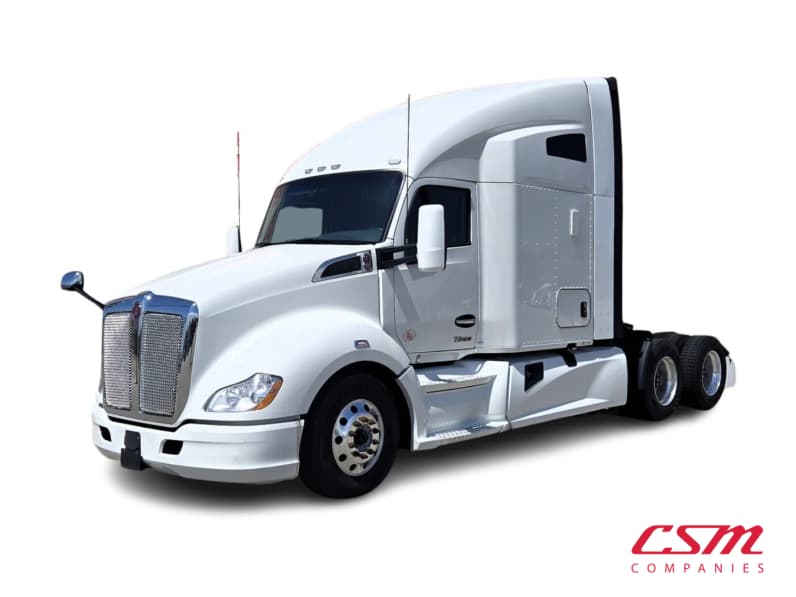
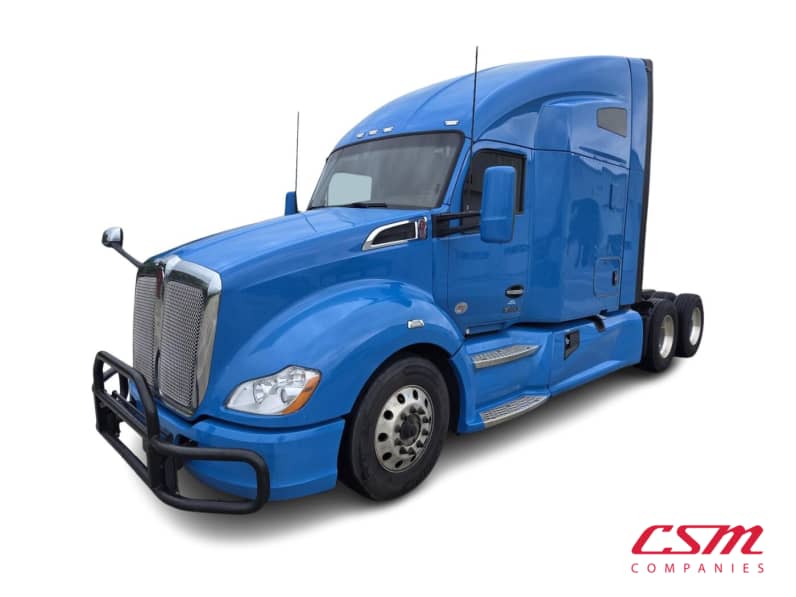
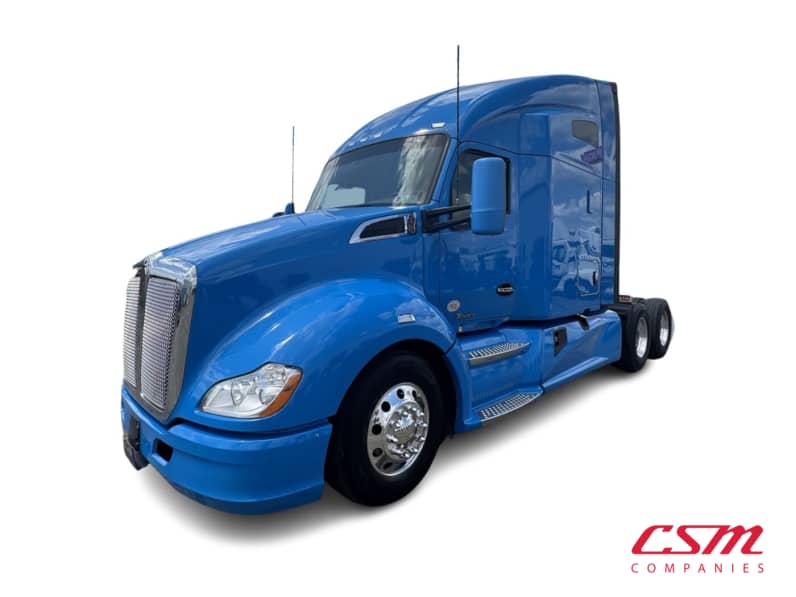
For a Kenworth or other PACCAR-powered truck, PACCAR-trained technicians and genuine replacement parts help protect your warranty.
A general repair shop may not have the tooling or the trained personnel for a commercial filter. Truck DPFs are larger, ash-heavy and tied to engine calibrations, so cleaning them properly requires truck-specific equipment and diagnostics.
Turnaround, Location and Support
Turnaround time is not a convenience; it’s one of the biggest levers on how many hours your truck stays productive. Ask about turnaround, loaner or rental options, and whether mobile or extended-hours service is available. A provider with multiple locations can keep you covered wherever you operate.
Ask for transparent pricing and a clear recommendation on cleaning versus replacement, backed by inspection rather than guesswork.
“A lesser shop simply bakes the filter and returns it,” says a CSM Companies service manager. “Flow testing is what confirms the filter is actually clean, not merely emptier than it was.”
A few questions quickly distinguish a capable truck shop from the rest:
• Do you clean with a bake-and-pulse process and flow-test every filter?
• Are your technicians OEM-trained for my engine, such as PACCAR?
• What is your typical turnaround, and do you offer mobile or loaner options?
• Will you inspect the filter and recommend cleaning or replacement based on the findings?
Because we operate more than 30 locations across Wisconsin, Michigan, Texas, Nebraska, Ohio and Florida, there is often a CSM service center within reach of your route.
Call-to-action: Compare DPF service options with our team.
The closest shop is not always the best one. What keeps a truck in service is a provider that cleans the filter correctly the first time and returns it to the road quickly. Watch the warning signs, follow the interval, and choose a team with OEM-trained technicians, proper equipment and sound guidance.
That is the role CSM Companies plays for fleets and owner-operators: not a one-time cleaning, but a partner that helps you maximize uptime and maintain your trucks over the long term, with full aftertreatment support across more than 30 locations in six states. Tell us your truck details and symptoms, and we will help you find the right service at a location near you.
Find DPF cleaning near you at CSM Companies.
FAQs About DPF Cleaning Near Me
The questions drivers and fleets ask most when searching for DPF cleaning near them:
A shop bakes and air-pulses the filter to remove ash and soot, then flow-tests it to confirm it meets specifications.
Pricing varies by filter, method and shop, so ask for a quote and confirm it includes flow testing and an inspection.
Typically every 150,000 to 200,000 miles, or sooner with heavy idling or frequent regens.
Often several hours to a day, depending on the cleaning method and the facility’s workload.
Frequent regens, a DPF or check-engine lamp, a power derate, or a drop in fuel economy.
Cleaning restores an intact filter at lower cost; replacement is for cracked, melted or ash-plugged filters.
A truck-focused, OEM-trained service center has the right equipment and parts for commercial filters.
Not for long. A clogged filter can force a derate that caps speed until the filter is serviced.
No. Federal law prohibits tampering with or removing emissions equipment, including the DPF.
CSM Companies offers truck DPF service across more than 30 locations in six states, with OEM-trained technicians.
Schedule Kenworth DPF cleaning with CSM Companies.