Day Cab vs. Sleeper Cab: Which Day Cab Truck or Semi Sleeper Is Right for Your Operation?
Last updated November 2026.
Day Cab vs. Sleeper Cab: Key Facts
A day cab is a tractor with no bed behind the seats, built for routes that bring the driver home at night. A sleeper cab adds a berth for rest, so the truck can run multi-day and overnight. The right choice comes down to your routes, not the price tag. Here is the short version before the full comparison below:
- Day cab: lighter, shorter, and cheaper, and built for local, regional, drayage, and vocational work.
- Sleeper cab: a built-in bed for overnight and long-haul runs, with more comfort and more weight.
- The deciding factor: how far you run and whether drivers are home each night, not the sticker price alone.
- Quick rule: choose a day cab if drivers are home most nights and a sleeper if they run overnight or long distance.
- Where CSM fits: CSM Trucks stocks and orders Kenworth day cabs and sleepers, including T680 and W990 configurations.
What Is a Day Cab Truck?
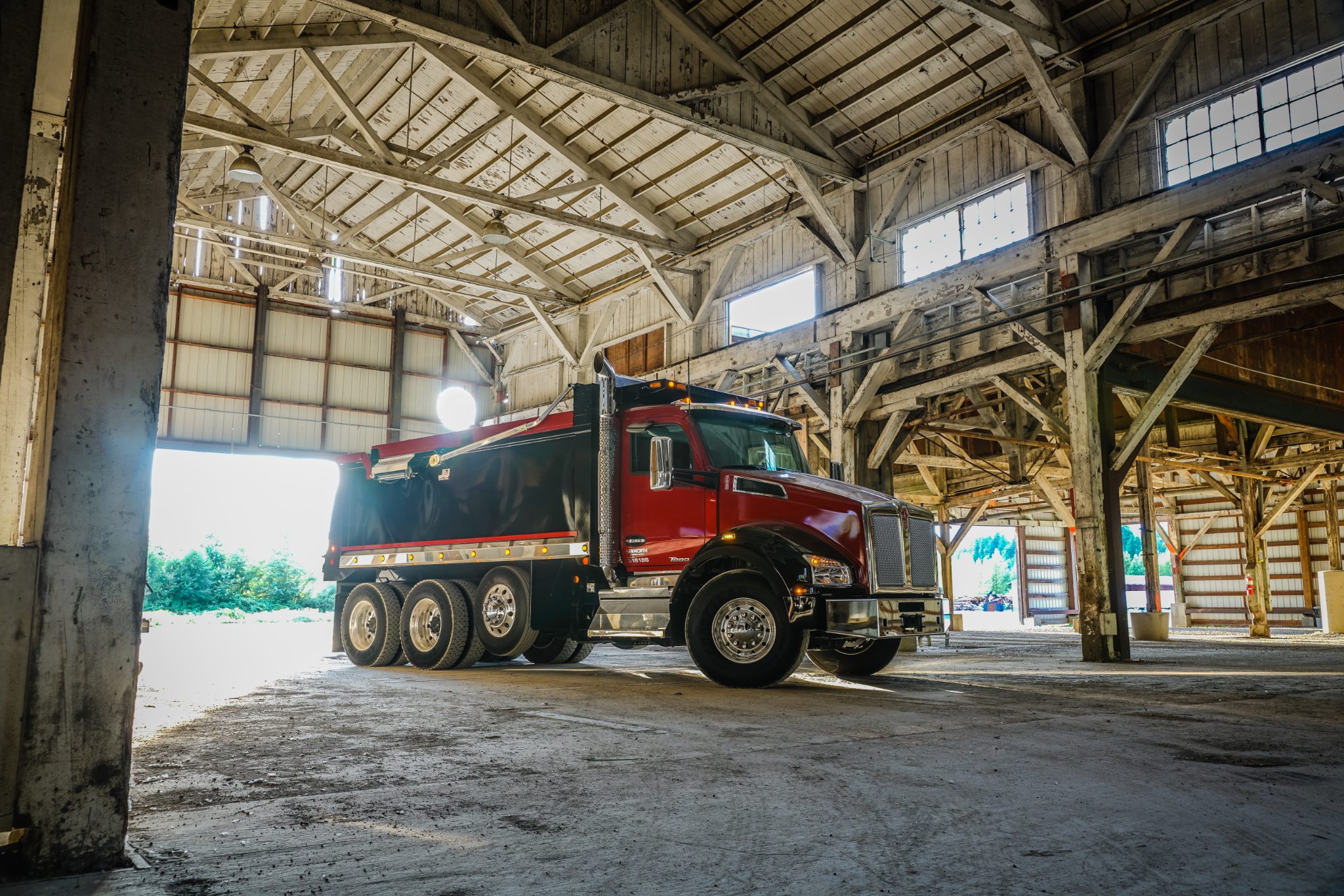
A day cab truck is a semi tractor with a single cab and no sleeping berth behind the seats. It is shorter and lighter than a sleeper, which makes it easier to maneuver and gives it more payload. Day cabs fit operations where the driver finishes the route and goes home the same day, and in Class 8 they are typically tandem axle 6×4 builds. CSM’s current day cab stock runs 445 to 565 horsepower on wheelbases from 187 to 266 inches.
Typical Day Cab Uses (Local, Regional, Port/Drayage, Vocational)
Day cabs do the work that stays close to home or turns around quickly. The common jobs are:
- Local and regional delivery, where the driver returns to the yard each day.
- Port and drayage work, moving containers in and out of terminals.
- Vocational work, such as dumps, mixers, and construction hauling.
- Short-haul line work between terminals and distribution centers.
What Is a Semi-Truck Sleeper Cab?
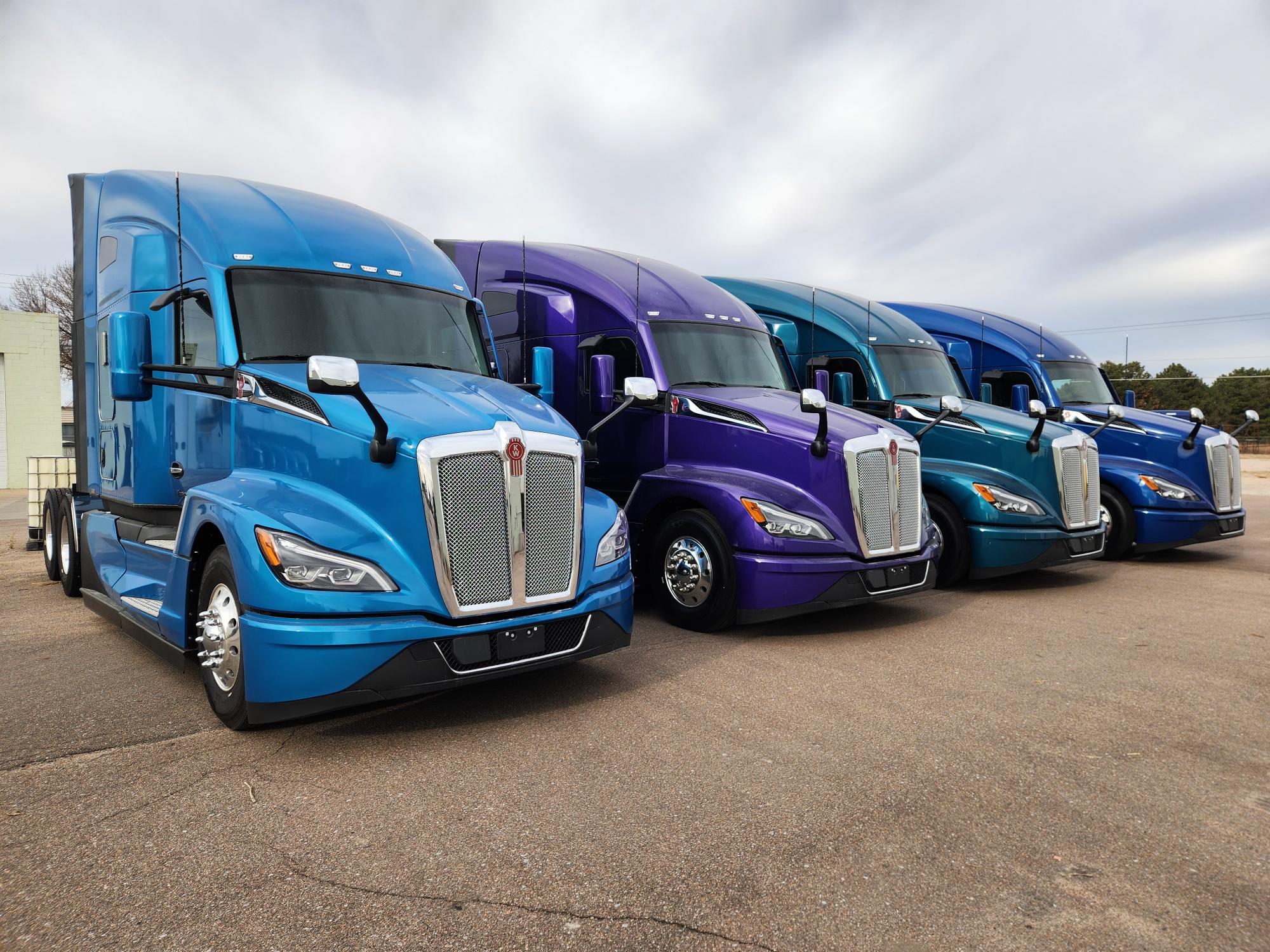
A semi-truck sleeper cab is a tractor with a sleeping berth built in behind the seats. Federal rules in 49 CFR 393.76 set the minimums for that berth, including at least 75 inches of length, 24 inches of width, and 24 inches of height, plus a mattress and ventilation. The sleeper lets a driver rest legally in the truck, which is what makes overnight and long-haul routes possible.
Sleeper Sizes and Roof Heights (Flat-Top, Mid-Roof, High-Roof)
Sleepers vary by length and by roof height, and the two together decide weight, storage, and stand-up room. The main formats are:
- Flat-top: the shortest and lightest sleeper, for drivers who want a berth without extra length or weight.
- Mid-roof: a balance of stand-up room and aerodynamics, popular for tanker and flatbed work.
- High-roof: the most interior space and full stand-up room, built for long-haul comfort.
Day Cab vs. Sleeper Cab: Side-by-Side Comparison
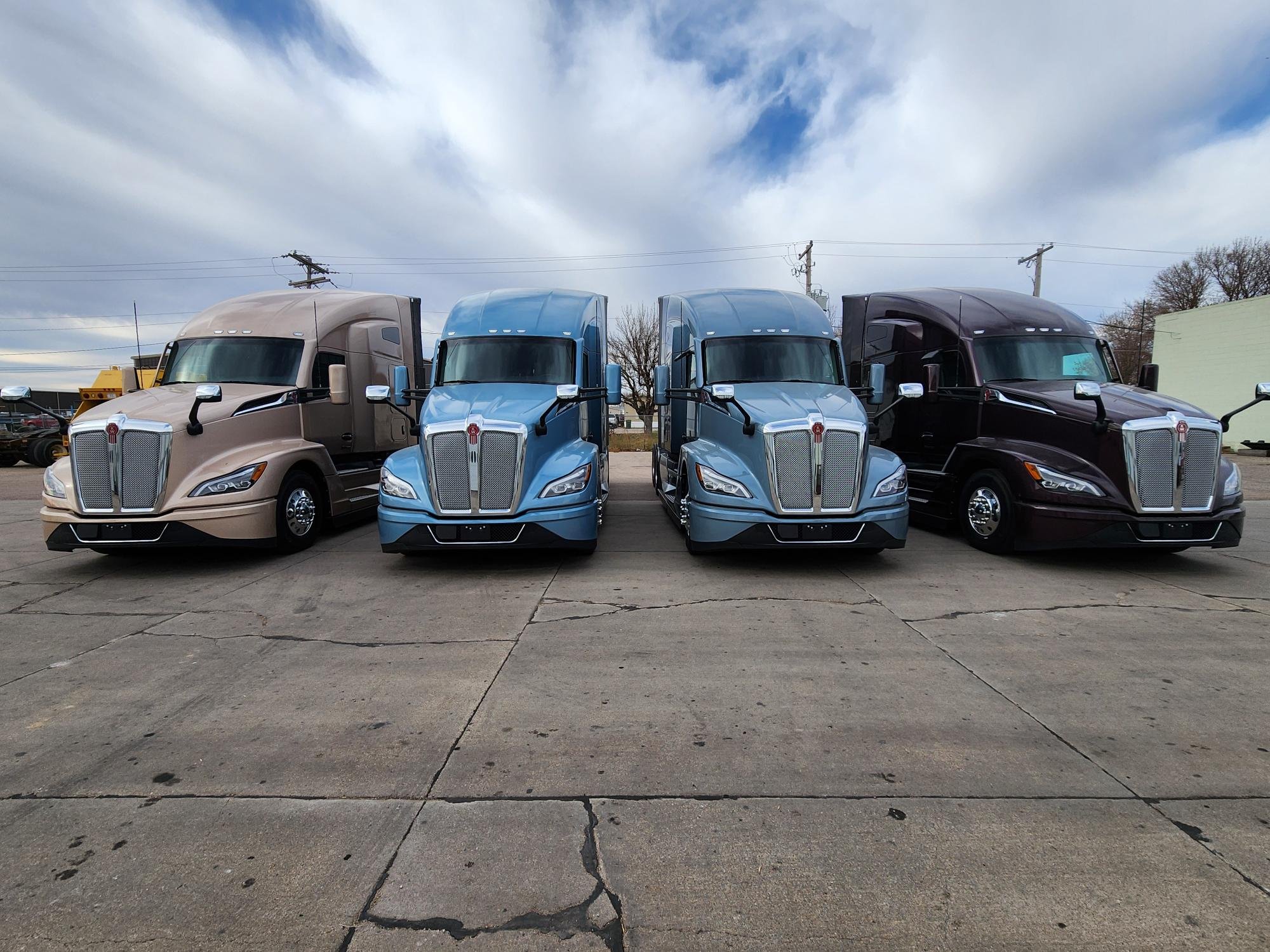
Compare the two cabs on the factors that drive the decision:
| Factor | Day Cab | Sleeper Cab |
|---|---|---|
| Route type | Local, regional, drayage, vocational | Long haul and over-the-road |
| Trip length | Home the same day | Multi-day and overnight |
| Maneuverability | Shorter and easier to turn and dock | Longer, needs wider turns and more parking |
| Tare weight | Lighter | Heavier (berth, cabinetry, no-idle systems) |
| Payload | More, for a given gross weight | Less, since the tractor weighs more |
| Fuel economy | Efficient on short, stop-and-go runs | Roof fairings aid economy on steady highway miles |
| Purchase price | Lower | Higher |
| Comfort | Seat only, no berth | Bed, storage, and climate control |
| Resale demand | Steady regional and vocational demand | Broad long-haul demand |
| Best for | Drivers home each night | Overnight and long-distance routes |
Choose a day cab if your drivers are home most nights and payload matters. Choose a sleeper if they run overnight or long distance and need to rest legally in the truck.

Regional vs. Long Haul: Matching the Cab to Your Routes
The cab you pick is a cost decision as much as a comfort one. A day cab costs less to buy, runs lighter, and carries more payload. So, on routes that end in the yard each day, it keeps more money on every load. A sleeper costs more up front and weighs more, but it earns that money back on runs that would otherwise mean a motel room or a second driver. On top of that, it’s also a question of how many hours drivers spend on their route. A run that can’t be finished within one 14-hour duty window means you’ll need a sleeper cab.
How Hours-of-Service Rules Affect the Choice
Federal hours-of-service rules decide how far a driver can legally go before resting. Under 49 CFR 395.3, a property-carrying driver gets up to 11 hours of driving inside a 14-hour window, then needs 10 consecutive hours off duty, within a 60-hour (7-day) or 70-hour (8-day) limit. The sleeper berth provision lets a driver split that 10 hours into two periods, one of at least 7 hours in the berth and another of at least 2 hours, such as a 7/3 or 8/2 split. A sleeper is what makes that rest, and those splits, possible away from home.
When a Day Cab Saves Money
A day cab saves money whenever the route ends in the yard. You avoid paying for a berth, the weight that comes with it, and the fuel to haul that weight. For local, regional, drayage, and vocational work, that is money kept rather than spent on unused space.
When a Sleeper Pays for Itself
A sleeper pays for itself when it keeps the truck earning overnight. It removes hotel costs on multi-day runs, supports team driving that keeps the truck moving around the clock, and lets a solo driver reset legally at a safe spot instead of racing home. On long-haul lanes, that added uptime offsets the higher price and weight.
Cost, Weight and Resale Value of Day Cab and Sleeper Trucks
Three numbers separate the two cabs over the lifetime of the truck: what you pay, what you can carry, and what it is worth later. Each one tilts a different way, so weigh them against your routes rather than in isolation.
Pricing in this article comes from current CSM listings, includes the federal excise tax, and changes daily with inventory. Treat the figures as a general guide, not a quote, and confirm current pricing on a specific truck with CSM before you buy.
Purchase Price Difference
A comparable new day cab costs a little less than a new sleeper. At current CSM listings, new day cabs run from about $160,000 to $250,000, with a median near $195,000, and new sleepers from about $170,000 to $250,000, with a median near $205,000. Used prices swing far wider with age and mileage: used sleepers range from about $40,000 to $140,000, with a median near $77,000, while the few used day cabs in stock sit in the high $70,000s to low $80,000s. All listed prices include the federal excise tax (FET) and change with inventory, so compare live day cab and sleeper listings, and see our guide on how much a semi-truck costs, for current numbers.
Tare Weight and Payload Trade-Off
The sleeper box, bunk, and no-idle equipment all add tare weight, and every pound of tractor is a pound off your legal payload under the 80,000-pound gross limit. A day cab is the lighter option, so it carries more freight. Where weight is tight, a smaller sleeper helps, and the 40-inch flat-top is the lightest berth in the lineup. For exact tare weights, ask the CSM team for the build sheet on the configuration you are pricing.
Fuel Economy and Aerodynamics
Fuel economy depends more on the route than the cab alone. A day cab is efficient on short, stop-and-go regional work, while a sleeper with roof and side fairings is shaped to cut drag over steady highway miles. Kenworth estimates a current T680 with the 76-inch sleeper can return up to a 6% better fuel economy than a comparable older T680, though that is a manufacturer’s figure under its own test conditions. The mismatch to avoid is a tall high-roof sleeper on short local routes, where the aerodynamic payoff never arrives.
Resale Value and Used-Market Demand
Both cabs hold value when they are maintained and matched to real demand. Day cabs draw steady interest from regional, drayage, and vocational buyers, while sleepers draw a broad pool of long-haul buyers. The safest resale is a common, well-kept configuration rather than a rare or heavily customized one.
Inside a Semi-Truck Sleeper: Comfort and Amenities
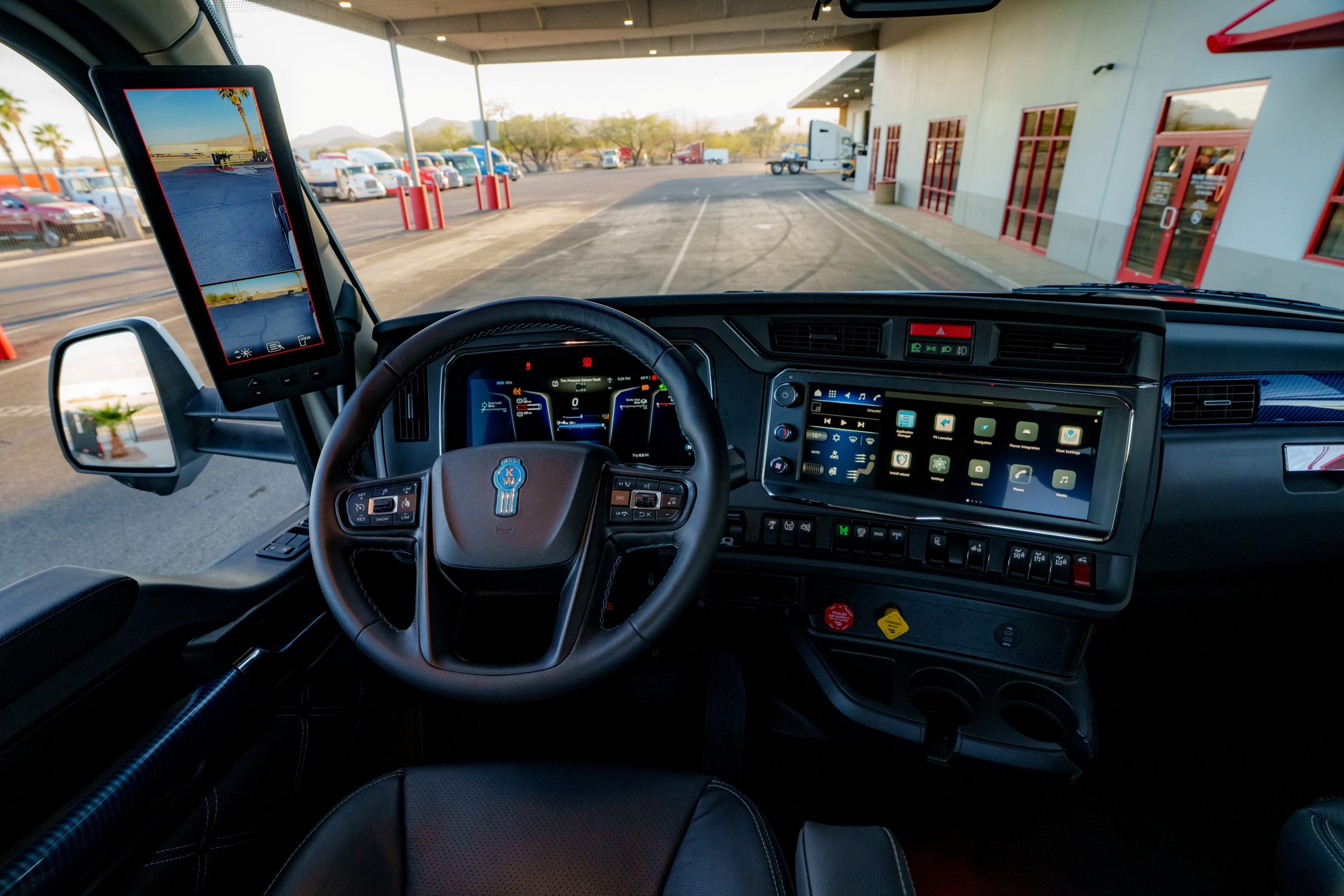
Inside a semi-truck sleeper, the space is built to live in, not just to sleep in. How much room and how many amenities you need depends on how many nights the driver spends in the truck each week. For a fleet, a comfortable sleeper is also a retention tool, since drivers who rest well are more likely to stay.
Beds, Storage and Stand-Up Room
Berth size and roof height set how comfortable the space feels. A larger sleeper adds a wider bunk, more cabinets and drawers, and full stand-up room, while a mid-roof trades some height for lower weight and better aerodynamics. As a reference point, the Kenworth T680 76-inch mid-roof sleeper offers about six and a half feet of headroom, with a choice of a folding upper bunk or back-wall storage.
No-Idle Climate Control, Inverters and Fridges
Keeping a sleeper livable without idling the engine is both a comfort and a compliance issue. Many states and cities cap how long a truck may idle, which the U.S. Department of Energy tracks in its idle reduction laws. No-idle climate systems, battery packs, inverters, and factory fridges let a driver rest in a comfortable cab while staying within those limits and saving fuel.
Kenworth T680 Day Cab vs. Sleeper and the W990: Real Configurations
CSM is a Kenworth dealer, so the clearest way to make this concrete is with real Kenworth builds. The T680 is the aerodynamic on-highway workhorse, and the W990 is the long-hood flagship, and each comes as a day cab or a range of sleepers.
Kenworth T680 Day Cab
The Kenworth T680 day cab is the lighter, more maneuverable build for regional and drayage routes. It keeps the aerodynamic T680 cab and drivetrain without the berth, so it carries more payload and parks more easily on tight turns.
Kenworth T680 Sleeper Options (52″ and 76″ Mid-Roof, 76″ High-Roof)
The T680 sleeper range scales with how much time the driver spends inside the truck. The main options are:
- 52-inch mid-roof: a compact berth for regional runs with a few nights out each week.
- 76-inch mid-roof: about six and a half feet of headroom, lighter than the high-roof, with a folding upper bunk or back-wall cabinets.
- 76-inch high-roof: the most interior space and full stand-up room for long-haul comfort.
Kenworth W990 Day Cab and Sleepers (40″ Flat-Top, 52″ and 76″ Mid-Roof)
The Kenworth W990 pairs the classic long hood with modern comfort on Kenworth’s 2.1-meter cab. It is offered as a day cab and with a 40-inch flat-top sleeper for weight-sensitive work, a 52-inch mid-roof with a walk-through and stand-up room, and a 76-inch mid-roof sleeper. Each comes with a standard PACCAR MX-13 rated 510 horsepower and 1,850 pound-feet of torque.
Which Kenworth Fits Which Operation
The fit follows the route. A T680 day cab suits regional and drayage fleets that want payload and easy handling. A T680 mid-roof or high-roof sleeper suits regional-to-long-haul drivers who need a berth. While, a W990 suits owner-operators who want a flagship truck in a day cab or a right-sized sleeper. First choose the cab for your routes, then choose the roof height depending on how many nights your drivers sleep in the truck.
Browse Day Cab and Sleeper Cab Inventory at CSM Truck
Once you know the cab your routes need, the next step is matching it to a real truck and a budget. CSM Truck carries new and used Kenworth day cabs and sleepers, with leasing, rental, and financing to fit how you want to pay.
New and Used Day Cabs
CSM stocks new and used day cab tractors for fleets that run close to home and turn their trucks daily. New builds let you spec the exact axle and drivetrain, while used day cabs lower the entry cost for a proven configuration.
New and Used Sleepers
For overnight and long-haul work, CSM carries new and used sleeper tractors across flat-top, mid-roof, and high-roof configurations. Used sleeper supply is deep: recent used T680 sleepers, nearly all high-roof, run from about $40,000 to $92,000, with a median near $79,000. Compare berth sizes and roof heights against your routes and your drivers’ time out.
Lease or Rent Before You Buy
If you are not ready to buy, Premier Leasing & Rental offers full-service leases and short-term rentals, which lets you test a cab type on a real route before committing. CSM Financial can structure the purchase when you are ready.
Frequently Asked Questions About Day Cabs vs. Sleeper Cabs
Quick answers to the questions buyers ask most:
What is a day cab?
A day cab is a semi tractor with no sleeping berth behind the seats, built for routes that end at the yard the same day. It is lighter, shorter, and cheaper than a sleeper, which is why it suits local, regional, drayage, and vocational work.
Can you sleep in a day cab truck?
Not legally for a required rest period, because a day cab has no compliant sleeper berth. A driver can rest in the seat while off duty, but the hours-of-service berth provisions need an actual sleeper that meets the federal minimums.
Is a day cab or sleeper cheaper?
A comparable new day cab is cheaper than a new sleeper: at current CSM listings, new day cabs carry a median near $195,000 against about $205,000 for new sleepers. Used prices depend far more on age and mileage than on the cab type.
Can you convert a day cab to a sleeper?
Converting a day cab is possible but rarely worth it. Adding a compliant berth, wiring, and climate control after the fact usually costs more than the difference between the two trucks, and the result can hurt resale. Buying the right cab from the start is the cleaner path.
How much does it cost to rent a day cab truck?
Rental rates vary by region, term, and spec, so a single number is not reliable. The accurate way to price it is a current quote for your dates and route from Premier Leasing & Rental.
Do sleeper cabs hold their value better?
Neither cab is a sure bet on resale; condition and configuration matter more than the cab type. Day cabs hold steady regional and vocational demand, and sleepers draw a broad long-haul pool, so a common, well-maintained build in either type resells best.